Open as in dangerous
Below is the modified text of my keynote talk at the
2018 Creative Commons Global Summit
. Video also
available
.
Sticking with the goal of talking about things I know, I figured I might start by talking a bit about why open access is important to me, a bit about the history and more importantly the future of OA at MIT, and then spend some time unpacking this “open as in dangerous” title I chose for my talk.
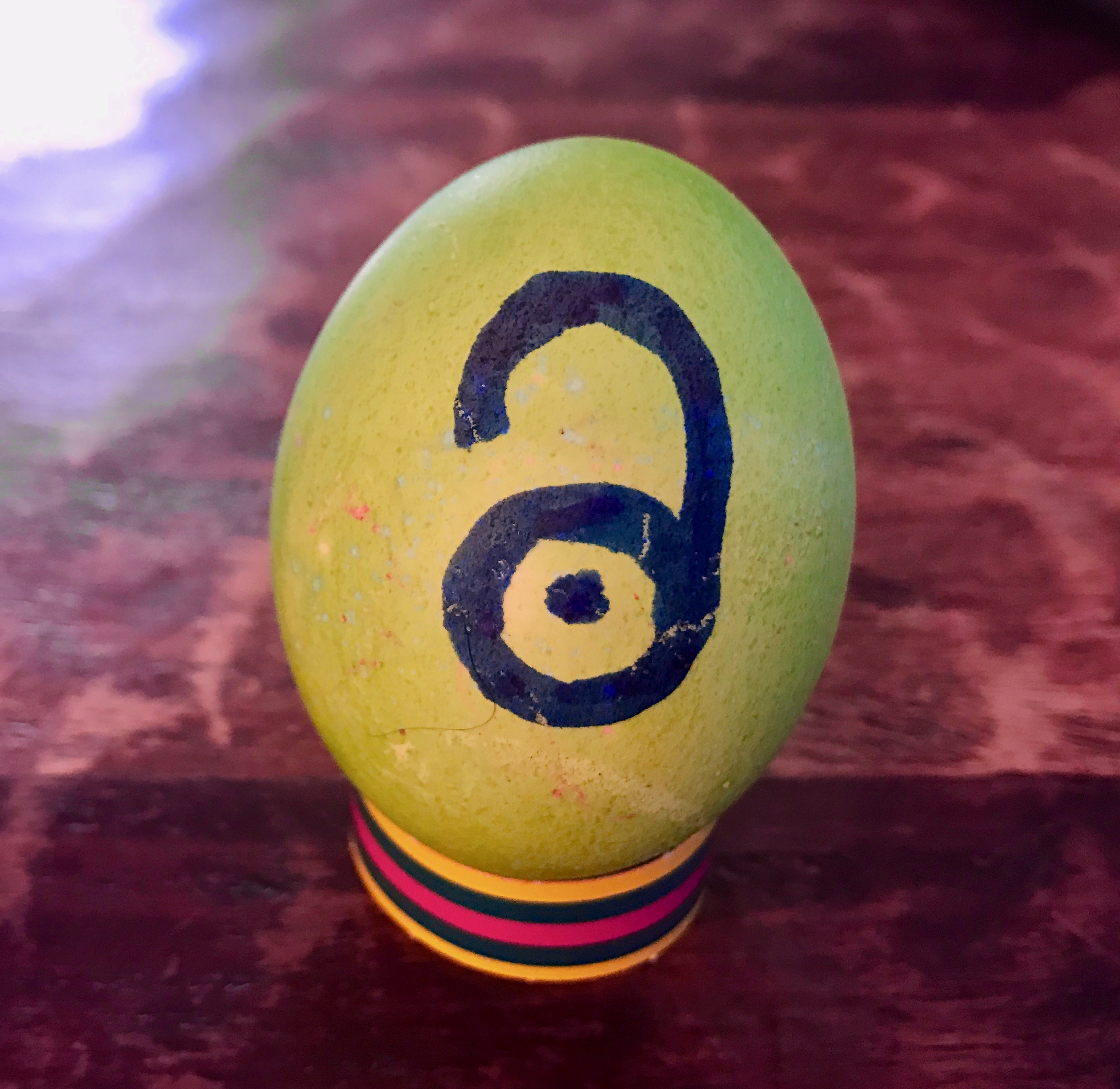
Working towards more open access to the scholarly record is a pretty core part of my professional motivation and identity. I took my current job because of my desire to work on open access issues, and in a rare (and admittedly crude) attempt at artistic creativity, I dyed only one egg this easter.
Open access easter egg
In the early days of the open access movement in libraryland, I think many folx came to open access via the scholarly communications financial crisis – the ballooning costs of journal subscriptions from commercial publishers who rake in 40% profit margins has crippled library budgets; and that has prompted many library administrators to embrace open access as a potential path out of this crisis in scholarly communications (#NotAllScholCommies).
I have to be honest that has not been my primary motivation. I have been privileged to work at Stanford Libraries and MIT Libraries – two elite and relatively well-funded institutions; so I have had the luxury of embracing OA from an admittedly moral and idealistic perspective, and a better science perspective. Echoing what
Katherine Maher and others said yesterday,
I’m also trying to be very conscious about the fact that working on open is a passion and an avocation for me. It is not an economic imperative as it is for many individuals and institutions, and it is not a matter of survival as it is for many in severely under resourced parts of the world.
I pursue open access for the simple reason that I am convinced that when more people around the globe have free and open access to research and to the scholarly record, we do better science, and the world is a better place. It is a better place because individuals who have access to knowledge can live more informed and empowered lives; and it is a better place because societies and communities in which more people have access to research will be better and quicker at solving big challenges – challenges like ensuring everyone has access to clean water, adequate food, decent health care, and quality education. Challenges like climate change, clean energy, ethical application of algorithms and more.
When Jennie Rose Halperin
interviewed me
a few days ago for the Creative Commons blog, she asked a bunch of great questions about the future of the open movement, and part of what I said was
There are compelling stories to be told about the harms of information scarcity and knowledge monopolies, and there are equally compelling stories about ways in which open access to knowledge and culture helps us solve big …
Descubre más desde Hoy En Perspectiva
Suscríbete y recibe las últimas entradas en tu correo electrónico.